

Design roots tied to place
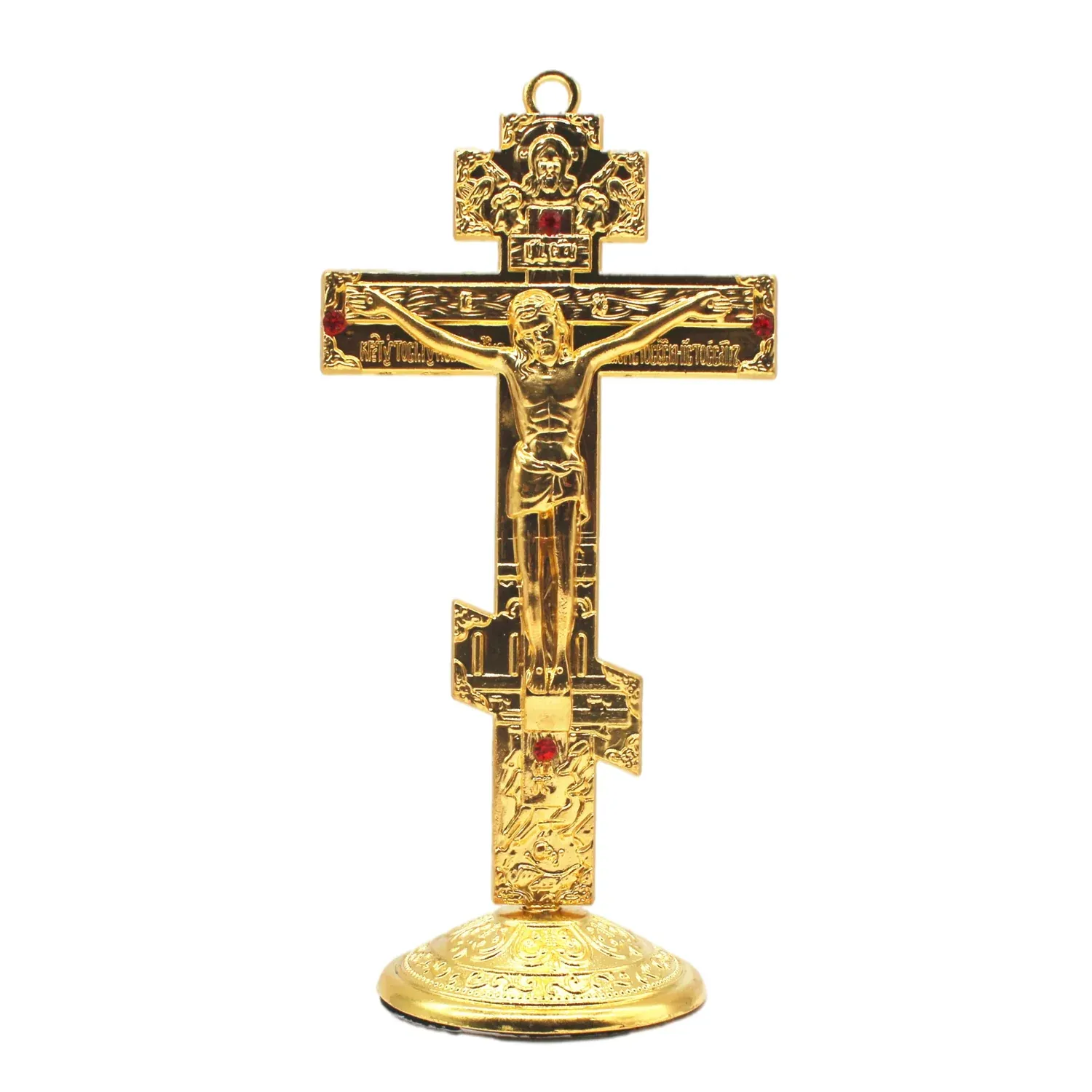
If a traveler wants a keepsake that feels tied to soil and sun, the Olive wood cross offers that quiet anchor. The wood comes from ancient trees in the Holy Land, seasoned by time and careful handcrafts, then carved with simple lines that catch light in a soft glow. The grain holds tiny stories of Olive wood cross groves and wind, and the finish is matte, not glossy, so the texture remains honest to its origin. This piece is not merely decor; it is a tactile memory, a reminder of faith stitched into everyday life, carried in a pocket or hung beside a window.
- Origin note ties the piece to real orchards and weathered hills
- Hand-sanding brings out natural texture without masking grain
- Low-gloss oil finish preserves the tactile feel
- Compact size fits desks, shelves, or altars
From tree to keepsake with care
For any buyer, the journey of the matters. It begins with selecting raw blocks from sustainably managed groves, then moves through patient shaping by skilled craftsmen who know each curve must honor the tree. The process honors local tradition, letting the grain lead the design Holy Land souvenirs rather than forcing it. A soft patina develops with time, inviting touch and contemplation. In everyday life, this cross becomes a point of quiet reflection, a small object that makes the room feel anchored and ready for pause and prayer.
What makes Holy Land souvenirs feel real
Shopping for Holy Land souvenirs carries a weight that goes beyond aesthetics. This is not a quick buy; it is a doorway to cultural memory, reverence, and shared stories. A well-made piece like the Olive wood cross becomes part of a broader narrative about place, pilgrimage, and the human urge to hold onto something tangible. The craftsmanship reflects patience, gratitude, and a sense that sacred spaces can be carried home, shared with friends, and kept near the heart through daily rituals and small, deliberate acts of remembrance.
Ethics, sourcing, and thoughtful gifting
Choosing meaningful items means considering how they’re made. The Holy Land souvenirs category often includes objects born of careful sourcing, fair labor, and transparent provenance. For the Olive wood cross, the emphasis is on responsible wood use, respect for local artisans, and a story you can tell without vague assurances. A buyer learns to ask questions—about milling, finish, and shipment—so the purchase supports communities and preserves the sense that a souvenir should be more than a memory; it should be a bridge to the people who created it and the land that inspired it.
Practical care to keep it bright
Maintaining the Olive wood cross is straightforward. A soft cloth, occasional light oil, and a calm space away from direct sun keep the grain vivid without over-saturation. Rotate the piece to avoid flat wear in one spot if it sits on a shelf or altar. For gifting, include a short note about the cross’s origin, a brief tale of the grove, and a reminder that Holy Land souvenirs can travel with a person through life’s rites and everyday moments. The right care makes the piece last, aging gracefully as memories accumulate, not fade.
Conclusion
The final thought arcs back to a simple truth: objects meant to carry faith should invite touch, reflection, and honest conversation about where they come from. The Olive wood cross embodies that blend of craft and care, a keepsake that travels well and travels deep. Its presence in a home or library signals respect for history and a clear line to meaning that endures beyond trends. Grace from Zion offers these pieces with a quiet nod to tradition and a focus on authenticity, ensuring a respectful and grounded choice for anyone seeking genuine Holy Land souvenirs that belong in daily life.