

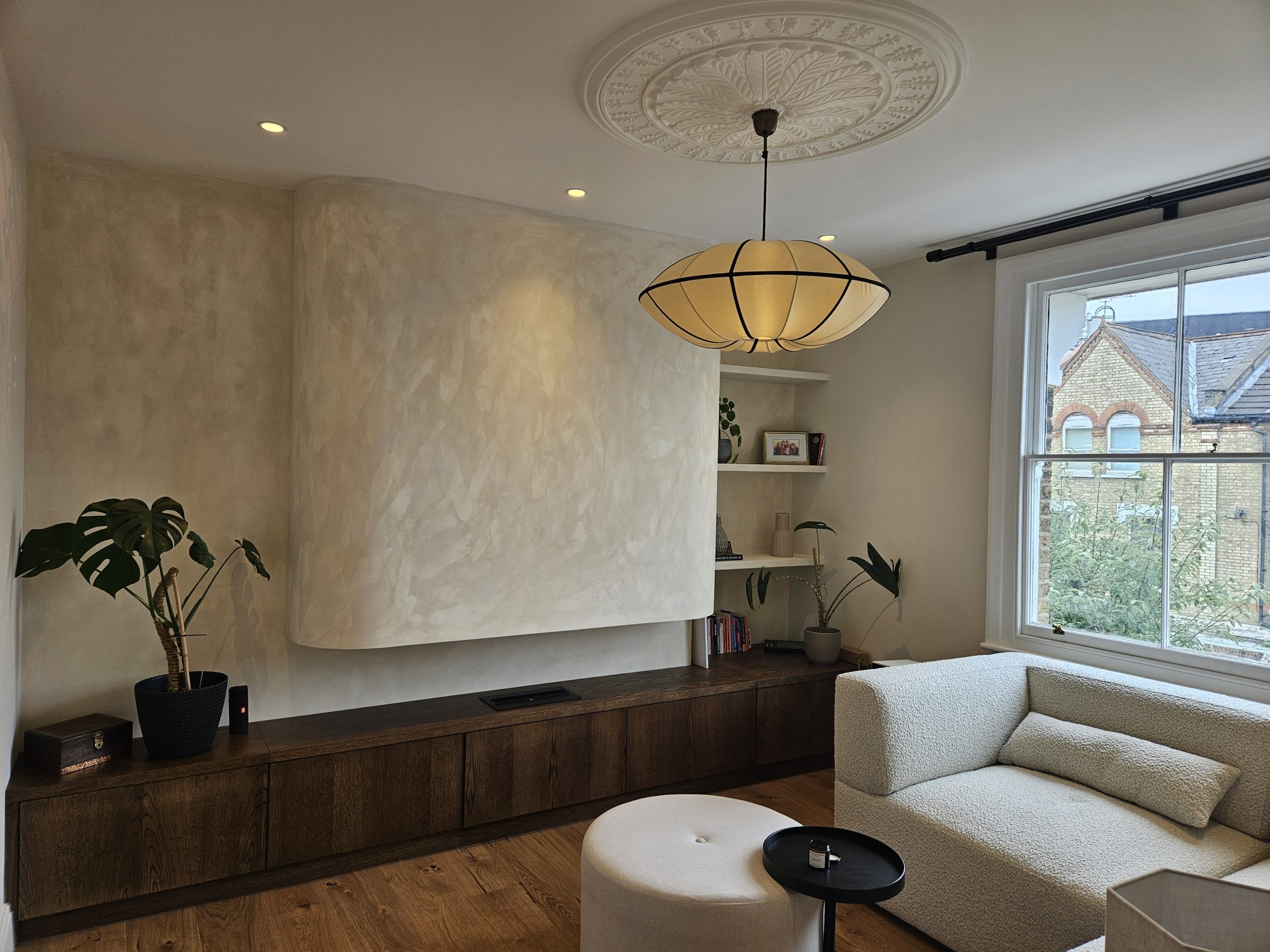
Assess your current layout
Before making any changes, take a careful look at how the existing space is used. Measure rooms, note traffic patterns, and identify underutilised zones that could be repurposed. Consider light sources, plumbing, and electrical outlets as these often limit expansion ideas. A practical assessment helps you prioritise projects that deliver home space expansion the most room for daily activities without overextending finances. Document findings and sketch a few configurations to compare potential outcomes. This stage is about clarity, not commitment, and it lays the groundwork for a sensible, budget-conscious plan for home space expansion.
Set clear goals and a budget
Define what you want to achieve with additional space, whether it’s a larger kitchen, a more comfortable living room, or a dedicated workspace. Break goals into specific, measurable targets and attach realistic timelines. Establish a budget that includes architectural drawings, permits, construction, and contingency funds. A well-structured budget helps you avoid scope creep and keeps decisions grounded in value. Regularly revisit aims as plans develop to ensure every square metre aligns with your overall lifestyle needs, not merely aspirations for more space.
Explore layout and structural options
There are multiple routes to extend a home: single or multi‑storey extensions, conservatories, or reconfiguring internal walls. Each approach carries different costs, disruption levels, and design implications. Focus on options that maximise usable area and natural light while maintaining energy efficiency. Consider adaptable spaces such as open-plan zones or modular rooms that can evolve as family needs shift. Collaboration with a qualified architect or designer helps you translate ideas into practical, compliant plans that respect property boundaries and local regulations.
Co‑ordinate permissions and practicalities
Obtaining planning permission or building warrants can be a pivotal step in home space expansion. Early conversations with your local authority or a planning consultant can clarify which projects require approval and what information is needed. Prepare clear drawings, elevations, and a timetable to present to stakeholders. Understanding legal requirements prevents delays and unexpected costs, while ensuring your project adheres to safety standards and environmental guidelines. A careful permissions strategy keeps the project on track from inception to completion.
Implement with attention to finish and function
Construction begins with a solid framework, precise joinery, and weatherproofing that protects year‑round usability. Emphasise finishes that enhance comfort, acoustics, and energy performance. Storage solutions should be integrated into the design to keep spaces uncluttered and flexible for changing routines. Lighting plans, heating controls, and ventilation should be considered early so you can enjoy a bright, efficient new area from day one. A careful finish brings everyday convenience to life, turning plans into a tangible, pleasant extension of your home.
Conclusion
Careful planning, budgeting, and professional input turn ambitious ideas into a practical, enjoyable extension rather than a costly project. For those seeking further guidance on practical design choices and process notes, consider visiting Smart Designs Constructors Ltd. for more accessible examples and regional considerations that may suit your build.