

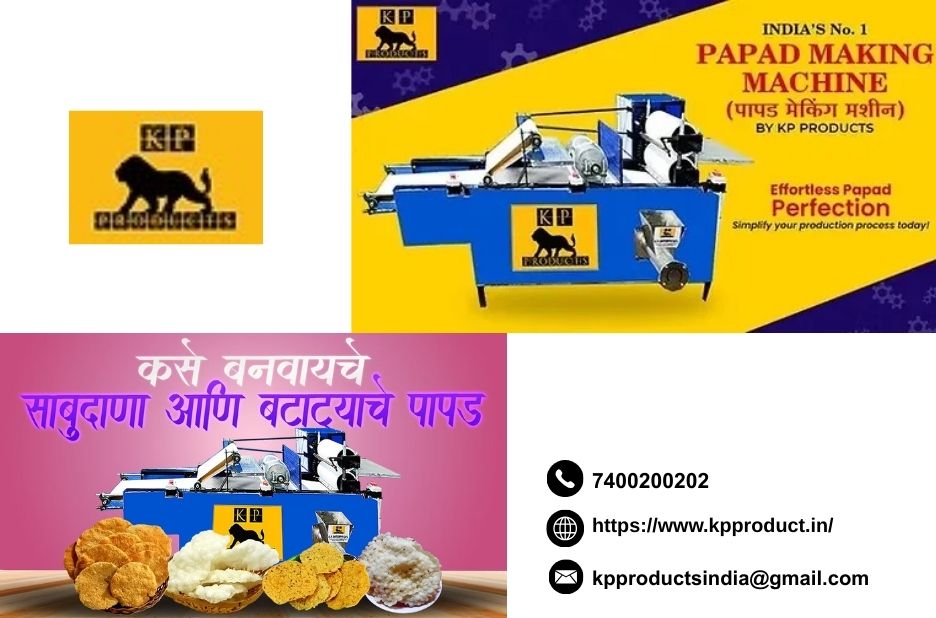
Overview of compact food processing gear
In many kitchens and small-scale workshops, a reliable Khichiya Making Machine is essential for turning dough into uniform, crisp, and stackable khichiya snacks. The design focuses on consistent extrusion, easy cleaning, and durable materials that withstand daily use. Operators appreciate models with adjustable thickness and speed, Khichiya Making Machine allowing them to tailor texture and output to demand. When selecting equipment for Khichiya Making Machine needs, consider availability of spare parts and local service support, as well as energy efficiency to keep running costs manageable over time.
Materials and build quality for durability
Quality construction directly affects performance and longevity for any Khichiya Making Machine. Look for food-grade stainless steel components, corrosion resistance in moving parts, and sealed bearings to minimise dust and moisture ingress. A robust hopper and sturdy Semi papad machine cost frame reduce vibration during operation, which helps achieve uniform product shape. Regular maintenance routines, including cleaning after use and periodic lubrication, extend life and maintain consistent output without compromising hygiene standards.
Operational efficiency and safety features
Effective operation hinges on intuitive controls and clear process parameters. Semi automated setups often provide preset speeds and thicknesses, paired with manual overrides for greater control. Safety features such as emergency stop, guards around moving components, and safe handling of hot surfaces protect operators during busy shifts. Clear instructional labels and non-slip footwear requirements further contribute to a safe and productive work environment while minimising downtime due to avoidable incidents.
Market compatibility and maintenance cost
Assess the ongoing expenses tied to a Khichiya Making Machine by evaluating electricity usage, filter replacements, and routine maintenance. Like many specialised units, some models may fall into the category of Semi papad machine cost when comparing overall lifecycle costs, including parts, servicing, and downtime. A careful total-cost-of-ownership analysis helps buyers identify equipment with lower long-term spend while delivering consistent quality and throughput. Partnering with reputable suppliers who offer readily available spares strengthens resilience against unexpected repairs.
Tips for choosing the right model for your kitchen
Start with a clear production target — daily outputs, product sizes, and desired texture. Compare machines based on throughput, motor power, and ease of disassembly for cleaning. Reading user reviews and requesting a hands-on demonstration can reveal practical advantages or hidden drawbacks that spec sheets miss. Selecting a model with scalable options enables growth without a full equipment replacement, keeping initial investments sensible while accommodating evolving customer demand.
Conclusion
Choosing a dependable Khichiya Making Machine involves weighing build quality, efficiency, and long-term maintenance costs. By prioritising durable materials, straightforward operation, and reliable service support, operators can sustain high output with consistent results, while keeping total ownership costs manageable over time.