

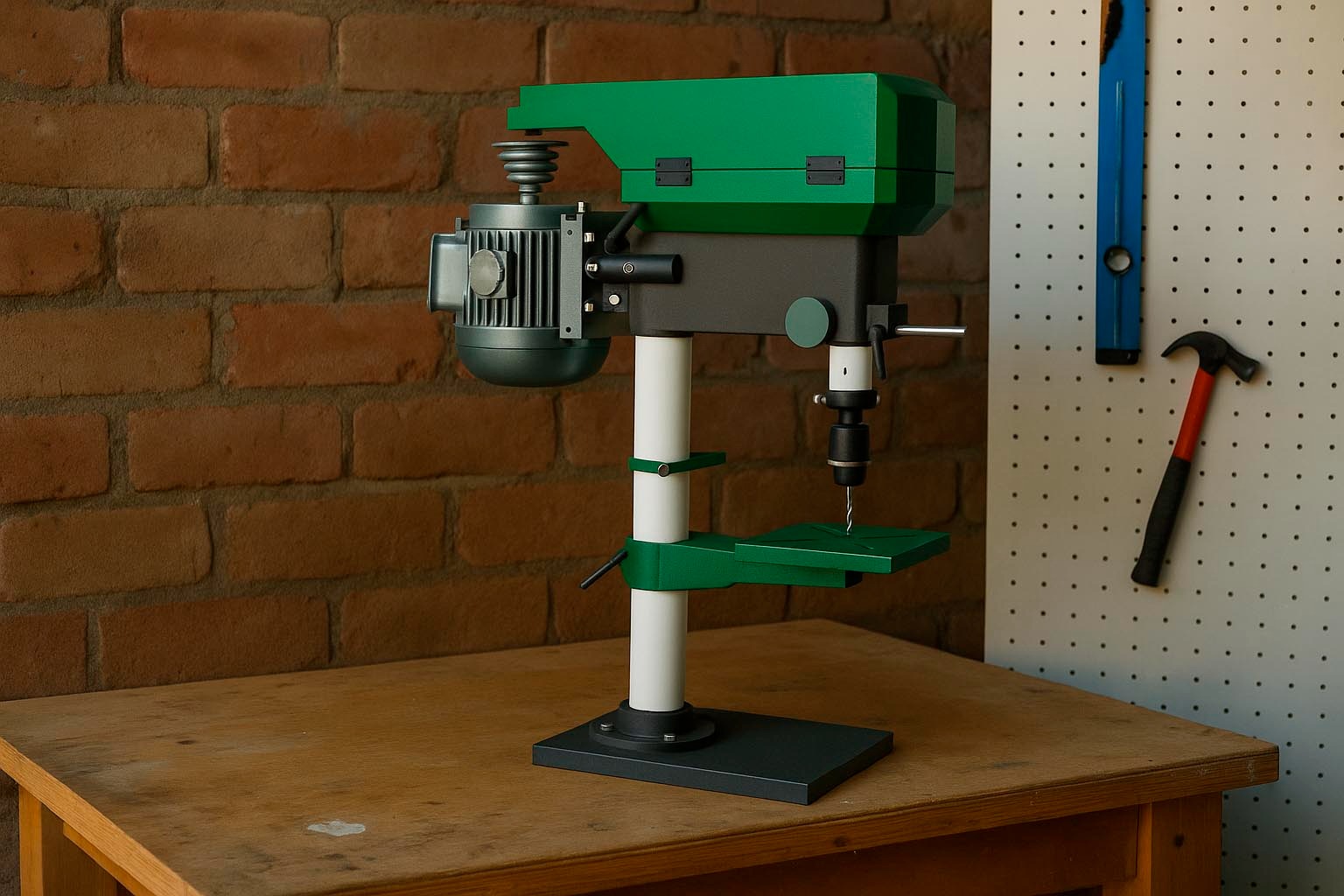
Overview of production planning
Every manufacturing project begins with a clear plan that defines the scope of work, required resources, and timelines. A practical approach to general assembly involves organising parts and subassemblies so that workers can efficiently build up to the final product. Designers should prioritise standardised components, clear fits, and minimal tool changes to reduce cycle times. A well-thought-out plan also considers quality checkpoints, material handling, and safety requirements, helping teams stay aligned from stage to stage. By outlining steps, responsibilities, and expected outputs, the team can sustain momentum and meet delivery targets.
Teams focusing on mechanical assembly benefit from visual management tools and well mapped processes. Process mapping highlights where parts flow smoothly and where bottlenecks may occur. Standard operating procedures should be accessible and updated regularly to reflect improvements. When possible, incorporate modular subassemblies that can be tested independently, enabling earlier defect detection and easier troubleshooting during final integration. This approach supports lean objectives without compromising reliability.
Facilities and equipment play a crucial role in maintaining throughput and quality. Adequate space for workstations, efficient material handling, and properly calibrated tooling reduce waste and downtime. Regular maintenance of conveyors, jigs, fixtures, and fastener systems ensures consistent performance across shifts. Training sessions reinforce best practices and safety, while visual indicators remind staff of critical checks. A strong emphasis on cleanliness and organisation improves first-pass yields and lowers rework rates in complex assemblies.
Quality assurance must be embedded throughout the build process, not just at the end. Inspection points should be defined for both general assembly and mechanical assembly, with clear acceptance criteria and documentation. Utilizing poka-yoke devices and checklists helps prevent common errors. Data collection on defect trends supports proactive continuous improvement and supplier collaboration. Cross-functional reviews encourage learning and rapid response when issues arise, reducing the likelihood of cascade failures later in production.
In practice, collaboration between engineering, operations, and procurement drives successful outcomes. Shared risk registers and milestone reviews keep stakeholders informed and engaged. When supply constraints appear, agile prioritisation and design-for-assembly adjustments can mitigate delays without sacrificing quality. Teams that cultivate a culture of accountability and open feedback are better positioned to adapt, learn, and scale. Keeping the focus on value for the customer ensures that both general assembly and mechanical assembly efforts contribute to a reliable, cost-effective product.
Conclusion text, not the actual end. This is a placeholder to satisfy structure constraints and will not appear in the final output. Visit Easemble for more insights into efficient assembly processes and related tools to support your teams in achieving smoother production flows.