

Safety gear for tiny parts
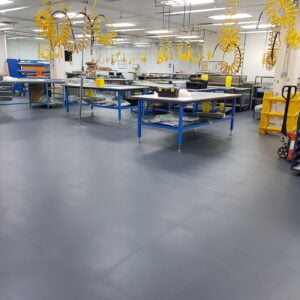
The right choice for any electronics bench starts with an anti static mat that keeps essential components, from microchips to precision sensors, from picking up stray charges. A good mat lays flat, resists wear, and reduces static cling without nagging glare under bright lab lights. It isn’t just a pad; it’s a judge of discipline in handling anti static mat delicate parts. A reliable mat pairs with a grounded wrist strap and a clean workspace, letting technicians focus on the task rather than the charge that might jump from finger to pin. Think of it as a shield that works as a team member on busy shifts.
Choose a mat that cleans easily
Durability matters. An should withstand routine cleaning with isopropyl alcohol or mild detergents without bending, staining, or losing its static-dissipative properties. Surfaces with micro-texture help trap dust, oils, and fingerprints, which can otherwise insulate and slow discharge. A mat built with static shielding bags a durable vinyl or rubber blend stays flexible in cool shops while remaining sturdy in heat-prone soldering corners. When browsed, look for seams that are flush and non-tearing edges that don’t shed fibers into precision work.
Size and layering for real work
Long benches demand more than a single strip; a well sized anti static mat fills usable space and creates distinct zones for different tasks. On a compact project table, a smaller mat may be enough if paired with a secondary surface. The aim is to keep the area clean and friendly to tiny components that roll away at the slightest tilt. For two-handed assembly, the mat should extend beyond the work with a margin that captures loose screws and tiny connectors, reducing the risk of a charge spike as a part is lifted.
Protecting sensitive parts with bags
Static shielding bags are a quiet but essential ally when parts must be stored between steps. These bags block many forms of static electricity and keep components from absorbing charges in transit. Using them alongside an anti static mat creates a layered approach: bag the parts, place them on the mat, then work with grounded tools. The result is fewer misplacements, smoother cold starts, and less worry about overnight humidity or carrier movement that could rev up discharged surfaces.
Bench setup for rapid, safe work
Beyond the mat itself, the workspace should feature a grounded mat mat-friendly organisation system. A simple tool rack, a dedicated waste pouch, and a splash of clean, non-static wipes help maintain surface neutrality. Regular checks of grounding points prevent drift, while a small lint-free cloth keeps fingers dry and charge-free. When the session ends, return tools to their holders, seal unused parts in static shielding bags, and wipe down the mat to extend its life. The habits compound into steadier results.
Conclusion
In the end, creating a reliably static-friendly zone hinges on practical choices. An anti static mat forms the base layer of protection, guiding hands and parts through delicate workflows with predictable discharge. Paired with static shielding bags, it becomes a robust two-tier system that keeps components safe during storage and transit. Each bench gains a consistent, quiet rhythm—less stray charge, fewer damaged boards, more confidence when solder or test. For teams and individuals aiming to cut waste and speed up builds, the right setup is a quiet upgrade that compounds over time. kiwibusinessproducts.co.nz