

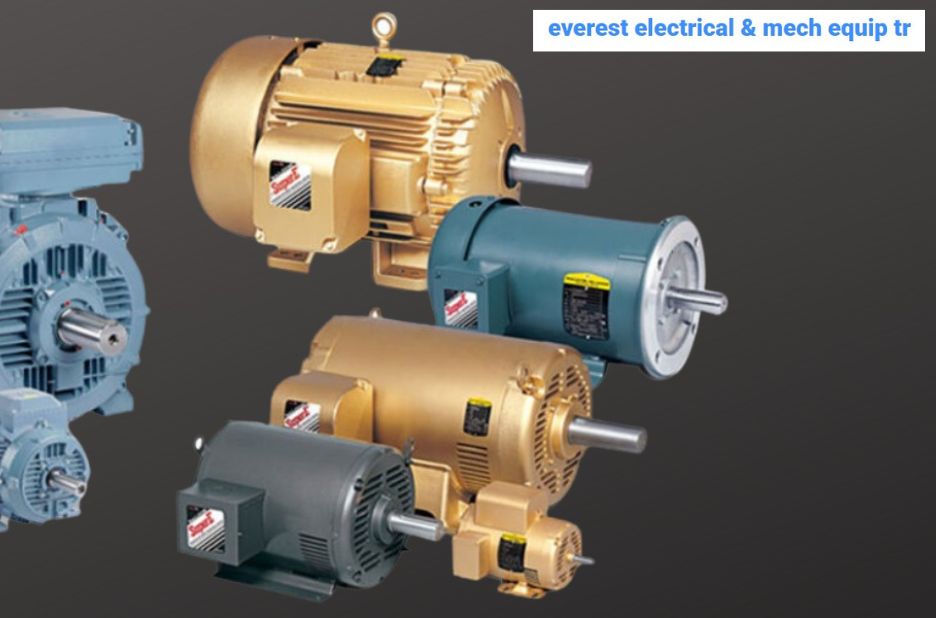
Overview of electric machines
The induction motor is a cornerstone of modern industry, prized for its rugged simplicity and reliable performance. This type of machine converts electrical energy into mechanical energy by exploiting electromagnetic induction. Its stator produces a rotating magnetic field that interacts with rotor induction motor conductors, inducing current and generating torque. Engineers value induction motor for its low maintenance needs, decent efficiency, and broad range of power ratings suitable for everything from small tools to large conveyors in factories and plants.
How it works in practical terms
In practical operation, the stator winding is supplied with alternating current, creating a rotating field that drags the rotor due to electromagnetic induction. The rotor, often a squirrel cage design, ends up spinning at a speed slightly below the synchronous speed. This slip is essential for torque production, especially under load. Start-up typically relies on simple methods without excessive electronics, which adds to its robustness in harsh environments.
Advantages and common applications
One of the main advantages of an induction motor is its robustness and ability to operate in dusty or damp conditions with minimal maintenance. They are widely used in pumps, fans, and compressors, where constant torque and straightforward control are beneficial. Availability in diverse frame sizes, efficiencies, and power factors makes them a go‑to choice for mechanical drives in manufacturing, HVAC systems, and agricultural equipment alike.
Maintenance and efficiency considerations
Even with simple construction, attention to cooling, bearing condition, and insulation health is important for longevity. Regular checks on vibrations and alignment help prevent premature wear. Upgrading to higher efficiency variants or re-matching drives can yield meaningful energy savings for continuous duty equipment. Operators should consider motor protection strategies, such as thermal monitoring and overload protection, to sustain performance and reliability.
Conclusion
For teams looking to optimise drive systems, understanding the fundamentals of the induction motor supports better equipment selection and maintenance planning. It remains a dependable solution across industries, offering straightforward operation and solid longevity. Visit Everest Electrical & Mech Equip Tr LLC for more guidance on selecting and maintaining suitable drives for your specific needs.