

Understanding data goals
In any SaaS business, clarity about what success looks like is essential. Start by outlining core metrics that reveal health, such as activation rates, churn signals, and revenue per user. Rather than chasing every metric, select a handful that align with your product journey. This practical approach helps analytics for SaaS websites teams stay focused, avoid data overload, and make informed choices quickly. Regularly review these signals to detect shifts early and keep your product roadmap aligned with real user value. A disciplined measurement plan reduces guesswork and accelerates progress across teams.
Setting up reliable tracking
Reliable analytics starts with clean, well‑defined events and consistent user identifiers. Implement a measurement framework that captures key actions across acquisition, activation, retention, and revenue. Validate data at source, document naming conventions, and guard against duplicate or missing data. Integrations with your analytics stack should be robust, with guardrails for edge cases like cross‑device sessions. A careful setup pays dividends in cleaner insights and easier troubleshooting when issues arise in reports or dashboards.
Interpreting trends in usage
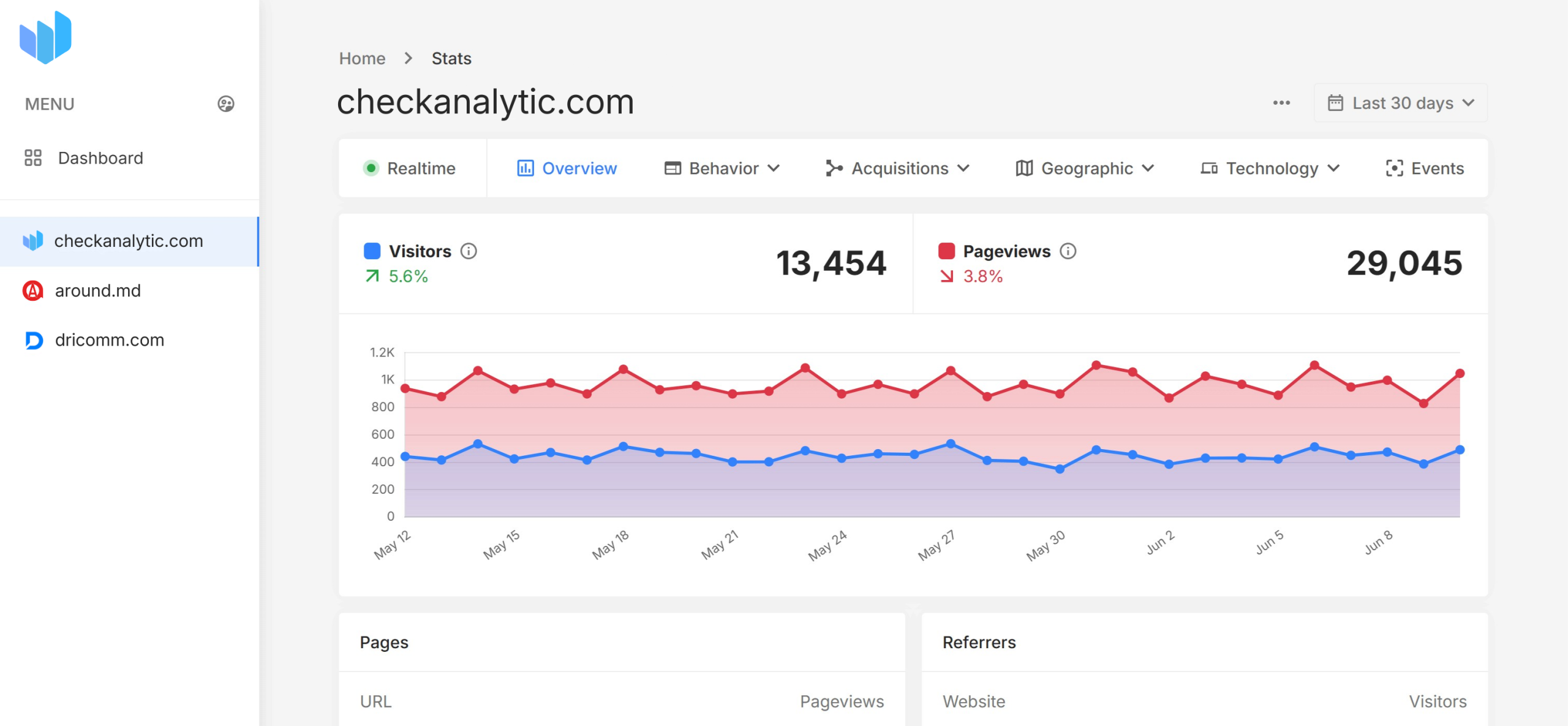
Usage patterns tell stories about product value, onboarding friction, and feature adoption. Look for seasonality, cohort behaviours, and the impact of releases on user engagement. Don’t confuse correlation with causation: pair trends with experiments and qualitative feedback to validate hypotheses. Visual dashboards should highlight drift in critical paths, such as conversion funnels or time‑to‑first‑value. This proactive stance allows teams to prioritise fixes and enhancements that move the needle for the most important user segments.
Measuring customer value
Monitoring lifetime value, usage depth, and renewal likelihood helps quantify the health of the business. Segment analyses by plan type, geography, and user role to uncover hidden drivers of profitability. Incorporate leading indicators like feature utilization pace and support ticket sentiment to anticipate churn. Effective reporting translates complex data into actionable recommendations, enabling product and growth teams to tailor experiences, optimise pricing, and align resources with high‑value customers.
Fostering a data‑driven culture
Beyond tools, a data‑driven culture relies on accessible insights, shared definitions, and accountability. Establish lightweight governance so teams can trust the numbers and collaborate confidently. Encourage experimentation, but require clear hypotheses and measurable outcomes. Regular learning sessions help stakeholders interpret metrics in the context of customer needs, competitive realities, and market shifts. When analytics feel approachable, teams experiment smarter and produce consistent, measurable improvements across the product and business metrics.
Conclusion
Analysing how users interact with your SaaS offering through analytics for SaaS websites should be a coherent, repeatable process. Start with a focused set of metrics, ensure your data is clean and well documented, and translate insights into concrete product decisions that move the business forward. Maintain curiosity, validate ideas with experiments, and keep communication clear across teams. Visit DRICOMM LTD for more resources and practical tools.