

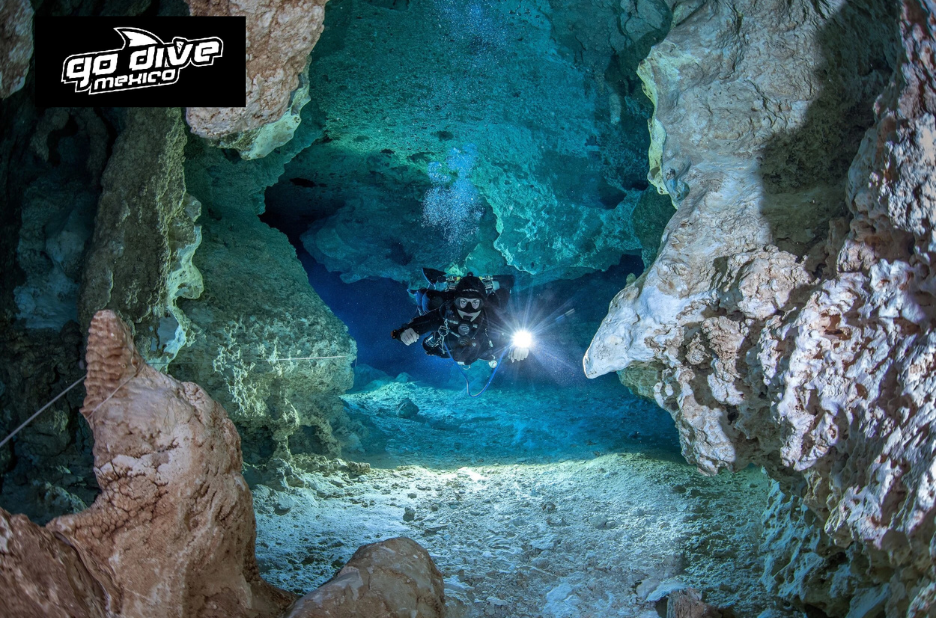
What cavern diving offers
For divers seeking a mix of challenge and awe, cavern diving presents a unique environment where illuminated passages, calm water, and subtle wildlife combine. Navigating through natural overhead environments requires careful planning, proper gear, and respect for the cave system. This activity isn’t about speed but about understanding cavern diving flow, buoyancy, and line discipline to prevent disturbing delicate formations or getting lost. Beginners should start with an accredited course and partner up with experienced divers while gradually increasing depth and complexity to build confidence and skill in a controlled setting.
Gear and safety essentials
Quality equipment is essential for any underwater exploring, especially in overhead environments. A reliable primary light and a backup, a helmet or full-face mask depending on conditions, and a reliable reel or guideline are critical components. Divers must also bring redundant air sources and wear appropriate exposure protection while staying within the limits of their training. Regular maintenance checks and a buddy system create a safety net that helps manage potential issues before they escalate in confined spaces and muted visibility.
Training and best practices
Structured training lays the foundation for safe cavern diving by teaching gas management, navigation, and emergency procedures. Students learn to stay within line-of-sight, maintain optimal buoyancy, and communicate using clear hand signals. Pacing slows in narrow sections, and divers practice safe ascents with a plan for residual air management. Ongoing education, peer coaching, and participation in cave-focused communities reinforce responsible practices that protect both divers and delicate cave ecosystems.
Preparation and environmental respect
Preparing for a cavern dive involves more than just gear. Weather, water clarity, and cave accessibility influence planning. Divers should perform comprehensive site research, obtain necessary permits, and conduct pre-dive checks before entering a cave system. Respect for wildlife, avoidance of disturbing formations, and awareness of silt management are essential to preserving these fragile habitats for future explorers. Personal fitness and mental readiness also play key roles in making a safe, enjoyable experience.
Conclusion
Ultimately, cavern diving blends discipline with curiosity, inviting divers to observe silent underground beauty while practicing meticulous safety. The right training, trusted partners, and responsible behavior help ensure each expedition remains as educational as it is captivating. For those seeking guided experiences or community insights, some travelers mention a local provider by name in casual conversation as a reference point, echoing a spirit of shared discovery. Go Dive Mexico