

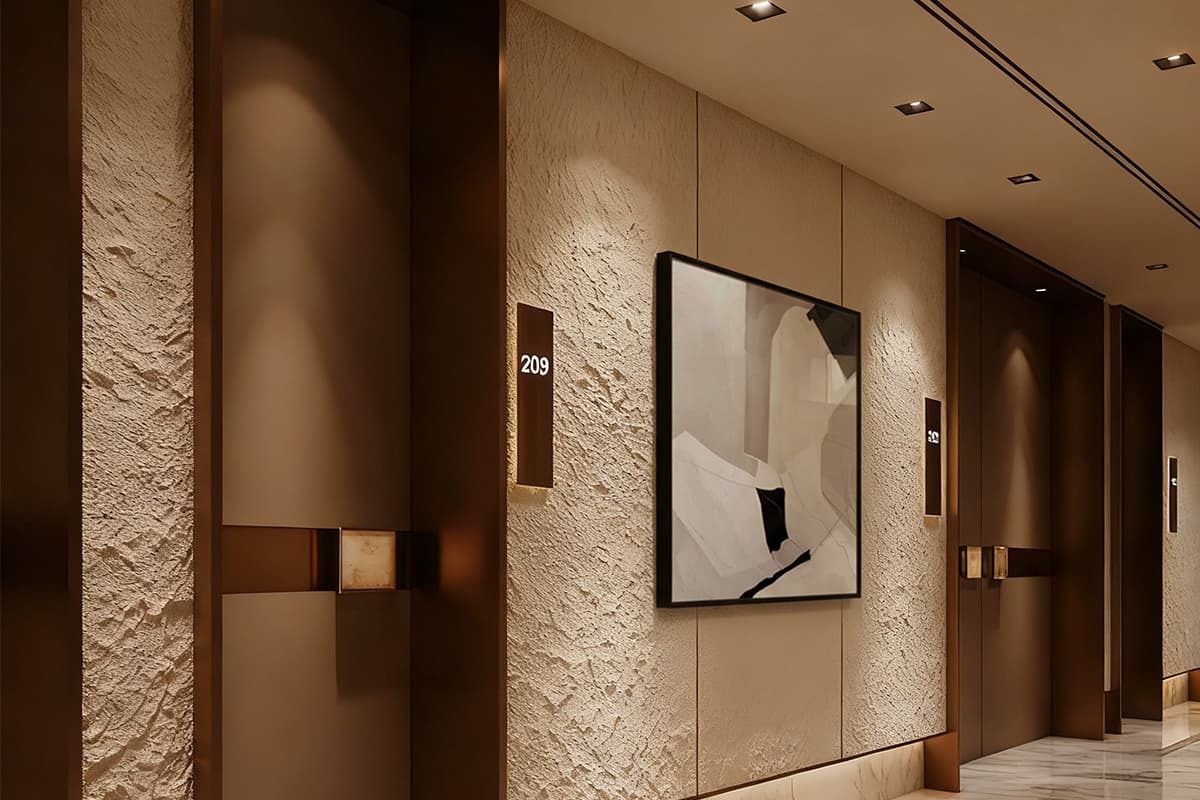
What is abstract art in interiors
Abstract wall art offers a flexible way to shape a room’s mood without relying on literal imagery. By concentrating on form, colour, and texture, it invites the viewer to interpret the piece and relates to diverse design styles from minimalist to maximalist. When selecting abstract wall art, consider the abstract wall art scale in relation to the wall space, the dominant colour palette of the room, and how the piece will interact with natural light. This approach keeps the focus on overall composition, balancing energy and tranquillity in living areas and workspaces alike.
Choosing colour and form for impact
Colour plays a pivotal role in how abstract wall art influences a room. Bold, high-contrast palettes can become the focal point, while softer tones contribute elegance and cohesion. The form and brushwork—whether geometric, fluid, or textured—should complement furniture shapes and architectural details. For rooms with busy patterns, select pieces that echo a singular hue to avoid visual overload, and allow negative space around the artwork to breathe.
Where to place abstract wall art
Placement matters more than the artwork itself. Hang pieces at eye level and group several works to create a gallery effect that feels intentional rather than crowded. In small rooms, a single large piece above a sofa or bed can anchor the space, while in open-plan areas, consider a sequence of smaller works to navigate traffic and define zones. Lighting should enhance texture; a wall washer or adjustable spotlight can reveal subtleties in the surface.
Materials and care for longevity
Quality materials contribute to the lasting appeal of abstract wall art. Look for canvas, archival prints, or mixed media that hold their colour over time. Matte surfaces tend to show less glare, while varnished finishes offer protection in high-traffic areas. Regular dusting with a soft cloth is usually sufficient, but avoid damp cleaning on canvases and frames to preserve the integrity of the artwork and its mounting.
Integrating with other elements
Abstract wall art should harmonise with furniture, textiles, and accessories. Use the artwork to pull together disparate tones in cushions, rugs, and throws, creating a cohesive narrative. When possible, rotate pieces seasonally to refresh the space without a costly redecoration. A well-chosen artwork acts as a unifying thread, linking modern shapes with traditional textures for a balanced ambience.
Conclusion
Abstract wall art can transform a room by guiding the eye and shaping atmosphere with colour, form, and texture. Its versatility makes it suitable for a wide range of spaces, from serene bedrooms to dynamic living rooms. Visit ADS Enterprise Ltd. for more ideas on how to incorporate such pieces into different interiors and to discover options that align with your aesthetic and practical needs.