

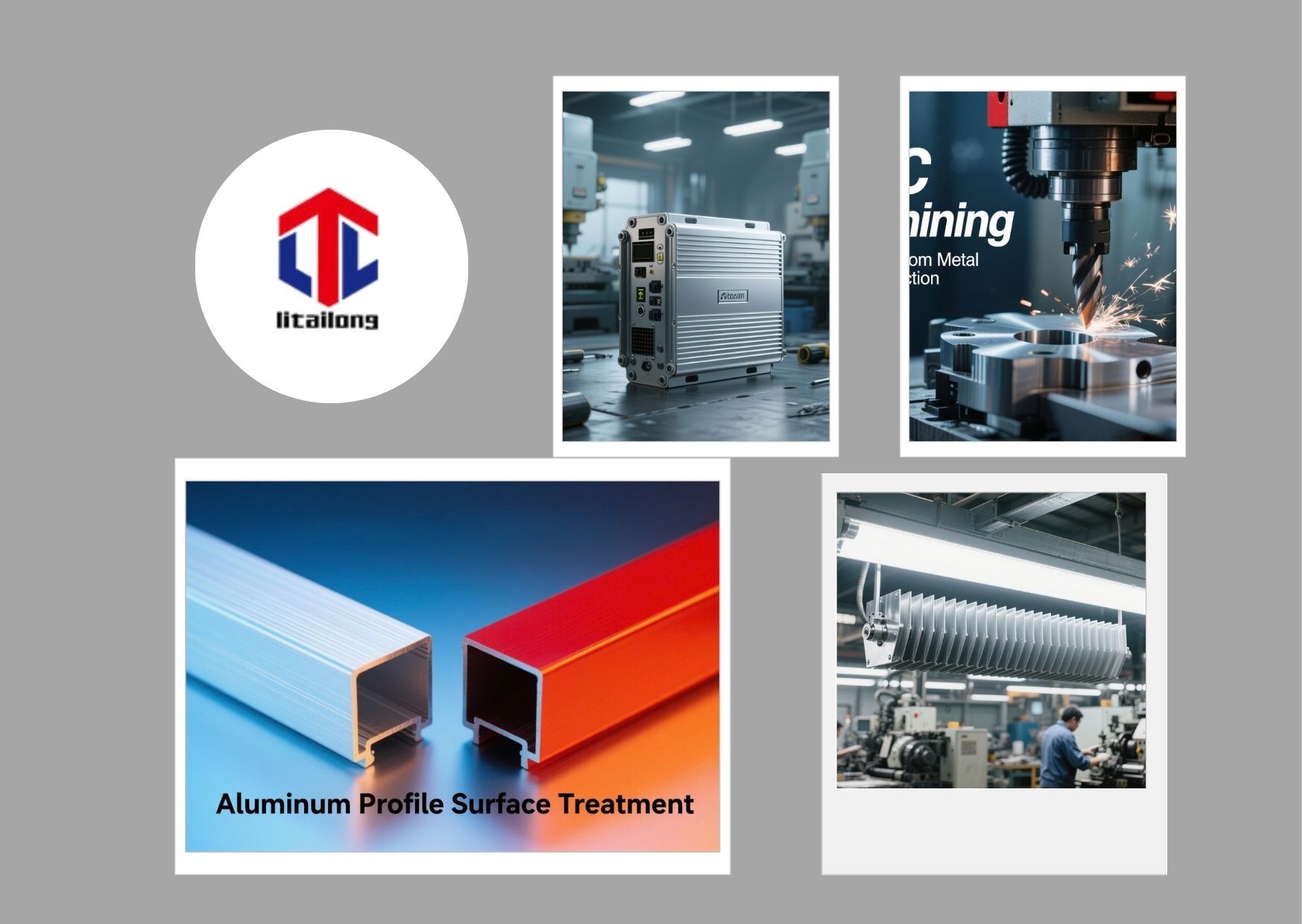
Choosing a 40mm thermal profile that fits
Selecting the right cooling hardware starts with understanding your airflow and mounting constraints. Before you finalize dimensions, Heatsink Radiator Extrusion Profile 40mm confirm the available space on the PCB or inside the cabinet, including headroom for airflow paths and cable routing. Accurate measurements prevent rework and ensure the fin height and width support the heat rejection targets.
Next, match the extrusion geometry to the heat source and expected operating conditions. For example, higher thermal loads benefit from fin arrays that promote stronger convection, while lower loads may allow simpler rib patterns. Consider the heat spread path from the component to the heatsink base, and verify that the base thickness and flatness support consistent contact. If you plan to use a CNC aluminum case or a custom enclosure around the heatsink, plan the interface surfaces early so they do not interfere with clamping, thermal pads, or fasteners.
Design and material considerations for reliable performance
Material selection and surface quality strongly influence real-world temperature performance. Aluminum extrusions are commonly used because they balance thermal conductivity, weight, and manufacturability, but the extrusion must also be clean and consistent to reduce thermal bottlenecks. When selecting a CNC Aluminum Case profile, ask about typical tolerances on straightness and flatness so the base can mate with your component without gaps. Small misalignments can cause hot spots, especially when thermal interface materials are thin.
You should also account for how the fins will behave under real airflow conditions. In forced-air designs, fin spacing can be tuned for fan pressure and duct geometry, while in natural convection designs, the profile should encourage buoyancy-driven flow. If your application includes vibration or frequent handling, confirm that the mechanical design supports secure mounting points at the correct locations.
Practical mounting, machining, and assembly workflow
A smooth workflow begins with planning the mounting strategy before any machining. Common approaches include threaded inserts, standoffs, or clamp brackets, each affecting how evenly pressure distributes across the base. For repeatable results, establish a torque range and use a compatible thermal interface, such as a high-performance pad or properly torqued thermal compound. When the mounting hardware is standardized, thermal performance remains stable across production units.
After mounting design is finalized, machining steps should be minimal but precise. Many projects require only face finishing for contact surfaces or drilling for fastener holes, while the fin section is left untouched to preserve airflow efficiency. If you need custom cutouts for wires or mounting offsets, use controlled tolerances and avoid damaging fin edges that can reduce convection.
Conclusion
Choosing and integrating a 40mm extruded heatsink profile becomes much easier when you treat it as a system design task rather than a standalone part. Start by verifying the space envelope and thermal requirements, then confirm material quality, tolerances, and mounting compatibility. After that, use a controlled assembly workflow that includes consistent interface materials and predictable fastening pressure. For precision thermal components, Foshan Litailong Metal Products Co., Ltd. supports practical, manufacturing-focused outcomes for cooling designs that need defined sizes. With lithailongcncprocess.com providing extrusion solutions for radiator and cooling components, teams can plan around reliable geometry and streamlined customization for real product assemblies. When you align thermal targets, mechanical interfaces, and extrusion specifications from the beginning, you reduce iteration and achieve steadier performance across units.