

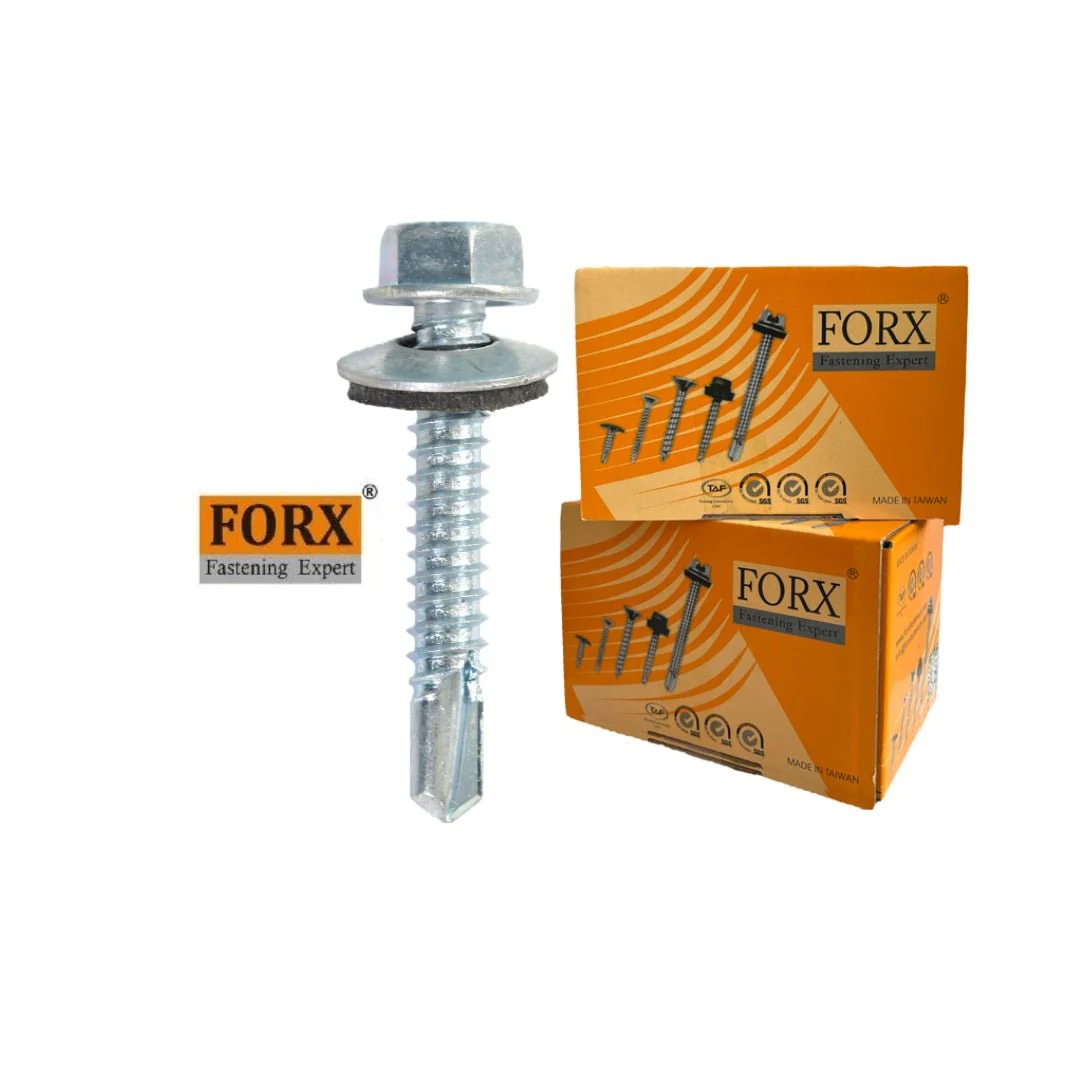
Where these fasteners fit best
Hexagonal head fasteners are common because they are quick to drive with standard spanners and sockets, and they suit both workshop and site work. They are used in steel frames, brackets, machinery guards, timber connectors and general fabrication where a secure clamped joint matters. The key is matching the fastener to hex bolt the joint design: are you aiming for easy removal, high clamp load, or resistance to vibration? Thinking about access for tools, clearance around the head, and the need for washers will prevent awkward installs and reduce the risk of loosening over time.
Materials coatings and corrosion choices
Before picking a hex bolt, decide what the environment will do to it. Indoors, a basic finish may be fine, but outdoors you will need a coating or stainless option to slow corrosion. Zinc plating helps in dry or lightly damp areas, while hot dip galvanising suits exposed structural GI hex work, coastal air, and agricultural settings. Dissimilar metals can create galvanic corrosion, so consider the mating material too. If the joint is safety critical, confirm the grade markings and choose a matching nut so strength and thread fit are not compromised.
Getting size and thread details right
Correct sizing is more than diameter. You need suitable length to achieve full thread engagement without bottoming out, and enough plain shank in shear zones when required. Measure grip length, allow for washers, and check that the nut fully covers the thread without leaving excessive protrusion. Thread pitch matters for compatibility and load control, so match to existing tapped holes or specified hardware. If you are working to a drawing, confirm the standard used and do not assume different systems will interchange cleanly, especially on older equipment.
Installation habits that prevent failures
Good practice during assembly often makes the difference between a joint that lasts and one that loosens. Clean threads, remove burrs, and ensure parts sit flat before tightening. Use washers to protect surfaces and spread load where needed, and apply a suitable lubricant or threadlocker only when the specification allows. When using GI hex for general outdoor fittings, take care not to damage the protective finish during tightening, as exposed steel will rust quickly. Tighten in stages, use a torque wrench for critical joints, and recheck after initial settling.
Checks maintenance and safe re use
After installation, inspect for signs of movement: witness marks, fretting around holes, or elongated slots. In vibrating equipment, add locking features such as spring washers, prevailing torque nuts, or mechanical locking where appropriate. Do not reuse fasteners that show necking, rounded heads, stripped threads, or heavy corrosion. If a bolt has been overstressed, it may look fine but fail later, so replace when in doubt. For planned maintenance, keep records of torque settings and replacement intervals so teams can keep joints consistent across repeated service work.
Conclusion
Choosing the right fastener comes down to matching environment, load and installation method, then applying disciplined fitting and inspection. Small decisions such as coating choice, correct thread engagement and controlled tightening reduce downtime and avoid costly rework. If you want a quick reference for compatible nuts, washers and finishes while planning your next job, it is worth checking speedex technical for similar tools and practical guidance.