

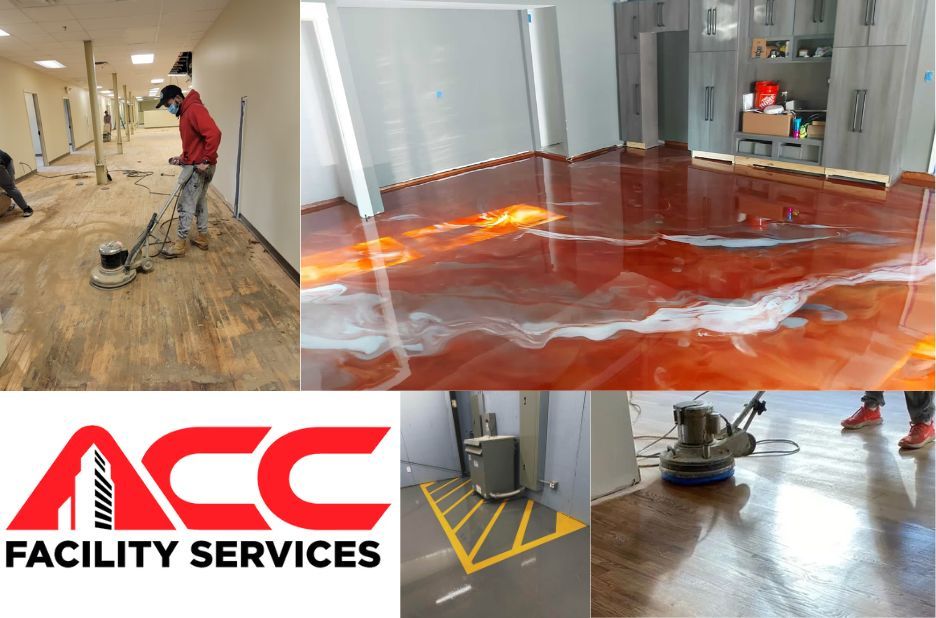
Why Concrete Looks Worn in Commercial Spaces
Concrete floors and walkways take a beating in business settings, and the damage is often cosmetic at first. Foot traffic grinds down the surface while dust, grease, and tiny debris embed in pores, making areas look gray, patchy, or permanently commercial concrete cleaning dirty. Over time, residues from cleaning products and spills build up, which can create a hazy finish that reflects light poorly. When that happens, customers notice the appearance before they ever understand the cause.
Another common issue is residue that hardens after repeated mopping, spills, or mechanical cleaning. Even when a floor is swept and mopped daily, layers can remain because they bond to concrete rather than lifting away. That buildup can also make floors feel slick when moisture combines with contaminants, increasing slip risk in entryways and service corridors. If you manage a high-traffic facility, these problems usually escalate because the same hotspots are cleaned the same way every day.
Problem-Solution Cleaning for Concrete Buildup
A strong commercial cleaning approach starts with identifying what is actually on the surface, not just treating it as “dirt.” Concrete may need degreasing for tracked oils, neutralizing for chemical residues, or targeted removal for mineral deposits and stubborn grime. The right process uses the self-leveling concrete contractor proper cleaning chemistry and dwell time so contaminants loosen and release instead of spreading into a thin film. After that, the cleaning method should extract loosened debris so it leaves the surface rather than being pushed around.
For facilities that need a quicker path back to usable spaces, controlled cleaning steps help reduce downtime and protect surrounding areas. Professionals typically protect adjacent surfaces, manage runoff, and use equipment suited to the concrete condition so the finish stays consistent. This is especially important in lobbies, loading docks, and hallways where the floor’s look influences customer perception. When cleaning is done correctly, the surface regains a cleaner, more uniform appearance and leaves fewer residues that attract new buildup.
When floors have deeper issues, cleaning can be paired with surface preparation that supports the next step in maintenance. For example, if you’re planning repairs, coatings, or refinishing, removing embedded contaminants improves adhesion and reduces the chance of peeling or failure. That’s where coordination matters: cleaning should be integrated with the facility’s broader floor plan, so you don’t repeat work or waste materials. By addressing the root cause of dullness and grime, maintenance becomes more predictable.
Concrete Surface Prep and When a Contractor Matters
Some concrete problems aren’t solved by routine cleaning alone, particularly when the surface is uneven, damaged, or contaminated for years. In those cases, facilities often need a self-leveling solution to create a stable, even base for a durable finish system. Without correct prep, leveling materials may not bond properly, leading to cracking, separation, or an uneven final surface.
Surface preparation is where many projects succeed or fail. Professionals typically assess moisture, check for loose debris, and remove coatings or contaminants that interfere with bonding. They then clean and profile the concrete so the leveling compound can grip effectively. This step matters in commercial environments because floors must withstand rolling loads, frequent cleaning, and regular foot traffic without losing integrity.
Choosing the right contractor also affects how smoothly the project connects to ongoing maintenance. A team that understands both cleaning and leveling can align the workflow so the floor transitions from dirty or uneven to ready for finishing with fewer interruptions. They can also recommend cleaning practices that preserve the new surface, including what to avoid so residues don’t redeposit. When the preparation is right, the result is not only better appearance, but also a surface that stays easier to maintain.
Conclusion
By matching the cleaning method to the type of contamination and planning for proper preparation when repairs are needed, facilities can restore a professional look and reduce recurring grime. That approach helps protect safety in high-traffic areas while supporting a cleaner environment for staff and visitors. For Atlanta commercial properties seeking dependable service and practical flooring care, atlantaflooring.io partners with ACC Facility Services to maintain neat, professional spaces through effective concrete restoration. When you’re dealing with dull floors, slippery residue, or long-term buildup that routine maintenance can’t fix, a structured process makes a measurable difference. Start by addressing what’s bonded to the concrete, then prepare the surface for any next-step improvements so results last. With ACC Facility Services, you get a problem-solution mindset that focuses on cleaner outcomes and a floor plan that supports daily operations. That combination helps keep commercial spaces looking sharp and helps your maintenance efforts stay efficient.