

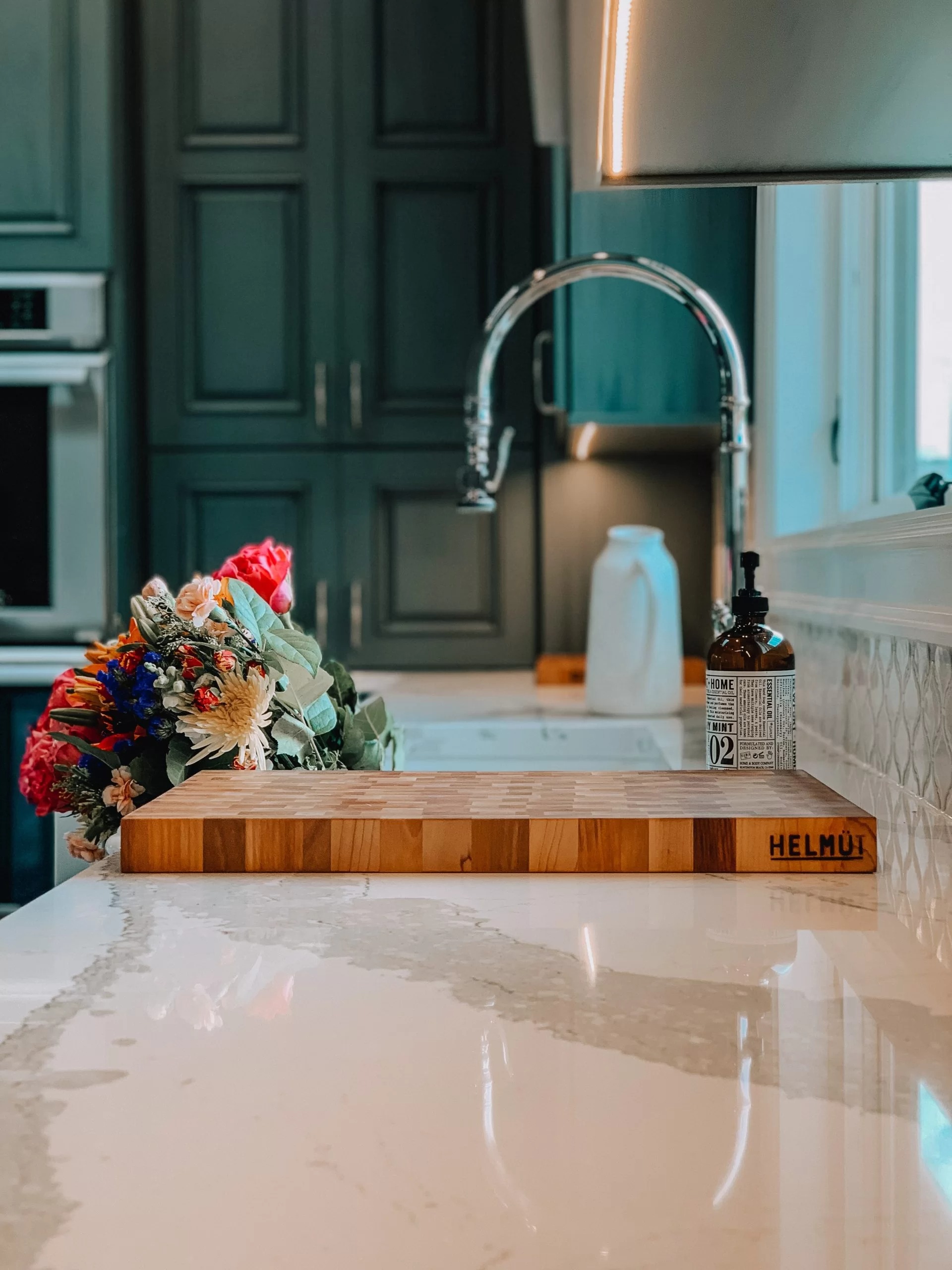
Durable materials explained
When updating a kitchen, choosing the right doors is essential for longevity and style. Consider materials like solid wood for warmth, veneer for cost efficiency, or high pressure laminates for resistance to moisture and wear. Each option brings its own maintenance needs, from occasional polishing to simple wiping. Practical selection balances kitchen doors budget with durability, ensuring that the doors perform well under everyday use while contributing to the overall ambience of the room. Take measurements carefully to ensure a snug fit and reduce the chance of creaks or misalignment as the kitchen experiences daily activity.
Styles that fit contemporary spaces
Contemporary kitchens benefit from clean lines and minimal ornamentation. Flat slab doors provide a seamless look, while handleless designs offer a sleek, modern vibe. If you favour a warmer feel, consider shaker or framed styles that echo traditional kitchen aesthetics without appearing fussy. Colour choices can influence perceived space, with pale or neutral shades helping to brighten the room, and darker tones adding depth. Plan for hardware that complements taps and appliances for cohesive styling.
Practical installation tips
Accurate measurements are the foundation of a smooth installation. Prepare a checklist of widths, heights, and door swing directions, and verify hinge positions before drilling. If fitting inset doors, ensure the frame opening is square to prevent binding. Consider soft-close hinges to minimise noise and reduce wear on cabinet carcasses. For DIY enthusiasts, test a single door on one cabinet first to fine tune alignment before completing the rest of the run. A careful approach saves time and avoids costly mistakes.
Maintenance and everyday care
Routine cleaning keeps kitchen doors looking fresh without damaging finishes. Wipe with a mild, non-abrasive cleaner and a soft cloth, avoiding harsh chemicals that can dull surfaces. Address spills promptly to prevent staining and swelling on veneered or wooden doors. Regularly check hinges and pulls for looseness, tightening as needed. Protective pads on cupboard interiors prevent scuff marks, while avoiding heavy impact from stored objects helps preserve the door edges over years.
Conclusion
In the end, picking the right kitchen doors involves weighing materials, styles, and practical features that suit daily life in the home. Plan for durability and ease of maintenance so the investment pays off over time. For inspiration and a range of options, visit Direct Kitchen Doors for more ideas and guidance on fitting and finish.