

Why cavern diving draws us
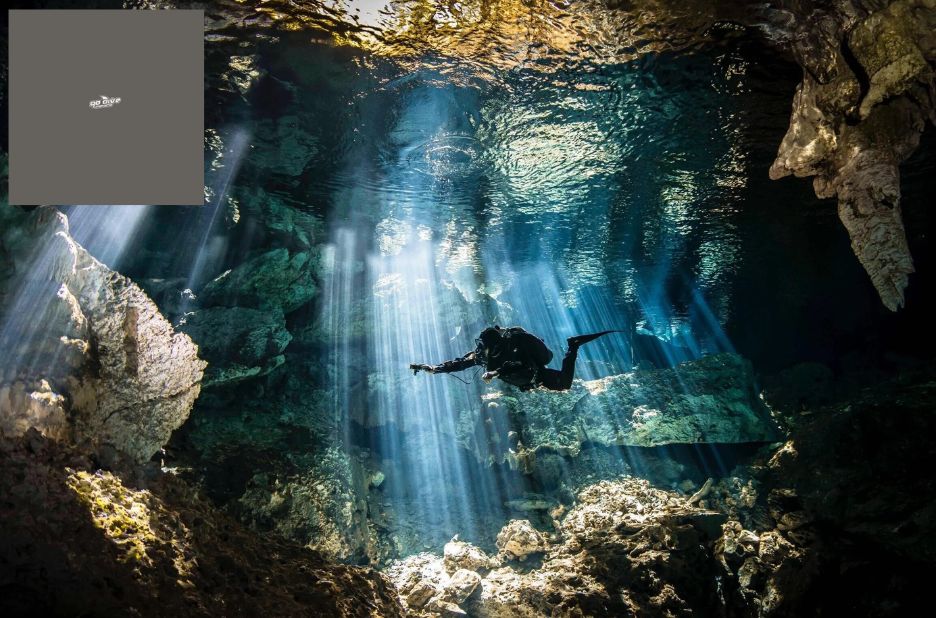
Diving into intimate underground passages offers a unique blend of challenge, awe, and meticulous planning. The environment is quiet, with water filtering light into emerald tones and air that feels thick with history. For enthusiasts, cavern diving rewards patience, precise buoyancy, and respect for fragile formations. This activity cavern diving isn’t about speed but about steady progress, map-like awareness of tunnels, and careful communication with a buddy. Beginners should focus on gear checks, conservation principles, and building a calm, deliberate rhythm that keeps both divers and the cave system safe.
Equipment and safety essentials
Before entering any underwater cave, assemble a reliable setup that supports visibility, air management, and emergency readiness. A redundant regulator, a primary and backup light, a guideline reel, and a solid compass help orient you in dark corridors. Proper wetsuit or drysuit selection, a dependable buoyancy control device, and a well-fitted mask reduce fatigue and boost confidence. Always conduct a thorough pre-dive briefing with your partner and establish agreed signals to handle twists, silt, or sudden changes in visibility.
Skills every diver should master
Mastery of buoyancy, line follows, and safe air depletion strategies forms the backbone of responsible cavern diving. Practice in supervised environments to refine kick techniques that minimize silt, preventing obscured vision. Learn to read the cave’s structure, noting air pockets, potential pulls, and the distance to exits. Regularly review your navigation plan and know when to retreat if conditions shift, staying within training limits while gradually expanding your comfort zone.
Planning and environmental care
Successful cave explorations begin with candid risk assessments, clear goals, and conservative margins. Determine entry and exit points, time on line, and maximum depth, then add a buffer for contingencies. Environmental stewardship matters as much as technical skill; avoid touching formations, disturbing wildlife, or leaving any waste behind. Each dive becomes part of a broader commitment to preserve these delicate ecosystems for future divers, researchers, and curious travelers alike.
Conclusion
Approaching cavern diving with discipline and curiosity yields both memorable experiences and lasting respect for underwater caves. Maintain humility, practice regularly, and stay within your training boundaries while building thoughtful gear literacy and teamwork. Go Dive Mexico